
Yritykset kertovat
On The Road to COP17: How Adapteo Sees Biodiversity as a Business Issue
As biodiversity rises on the business agenda, Adapteo is joining COP17, the 17th UN Biodiversity Conference, for the first time. Adapteo’s CSO Dr. Lina K Wiles sees nature loss not only as an environmental challenge but as a business issue connected to risk, resilience and long-term competitiveness.
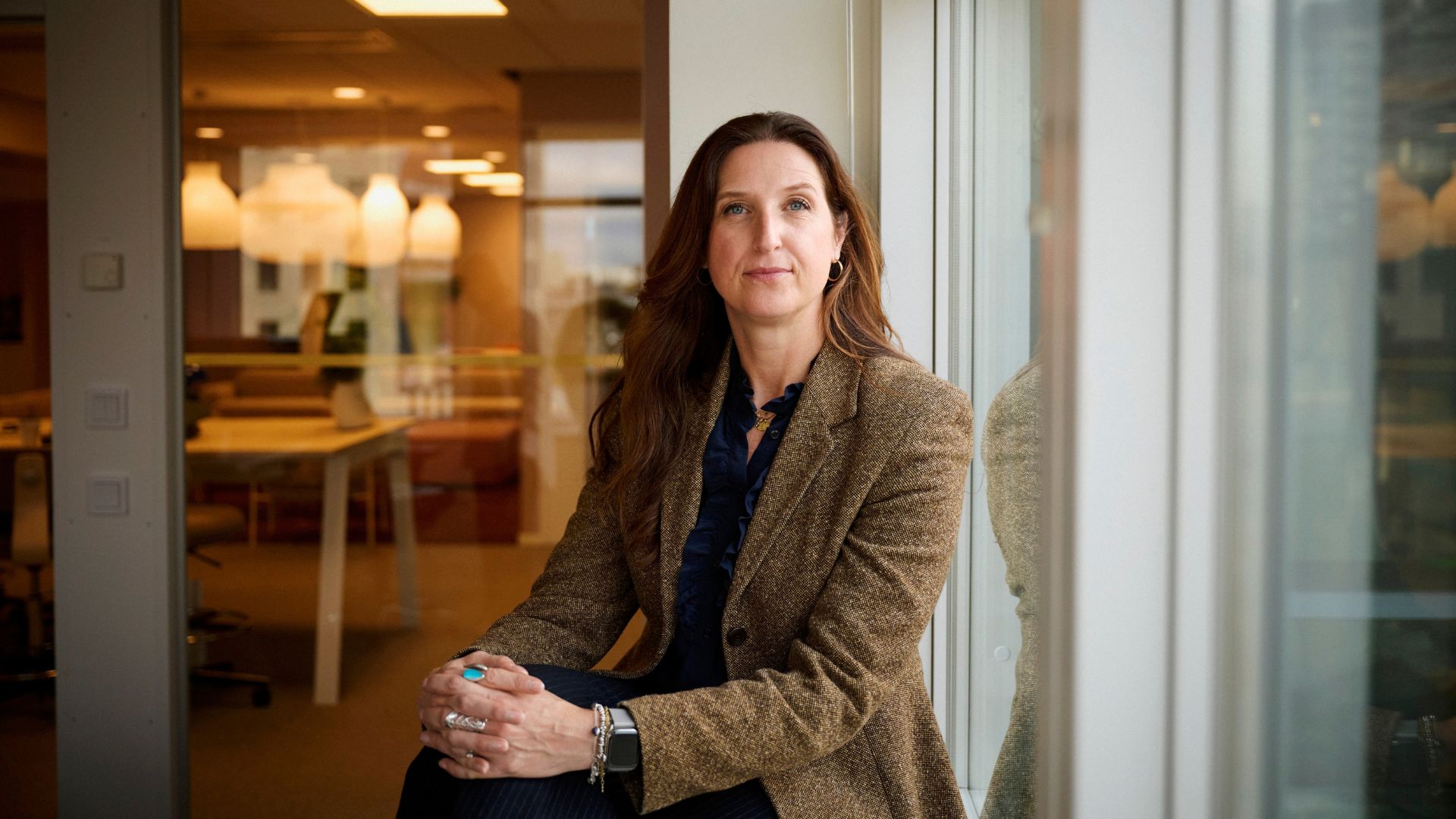
Why is Adapteo attending COP17 this year?
“This is our first biodiversity COP, although we've previously participated in London Climate Action Week, Climate Week NYC and UNGA. It feels like biodiversity is finally moving from the margins of sustainability awareness into business risk, resilience and business-critical thinking.
It feels like there's momentum. Many companies are starting to think about these questions and how to address them. We’re interested in learning and partnering with others to see what our role in that can be. That’s where we’re coming from.
We also believe we have something to bring to the table. Our work is based on modular, reusable spaces that can adapt as communities change, rather than being treated as fixed, disposable assets. In that sense, we are part of a circular approach to the built environment. At COP17, we want to listen, learn and take part in conversations about how existing models like ours can help reduce pressure on natural resources.”
Why does biodiversity and COP17 matter for business?
“Companies need to be present at COP17 because we're part of the problem – we also need to be part of the solution. All businesses need to be accountable. Biodiversity policy cannot change things on its own; what needs to happen is redirecting capital, redirecting procurement, actually doing things differently. Businesses are where that happens.
Biodiversity still feels like a fairly unexplored field, but it's developing quickly and becoming much more top of mind. In discussions we've had beforehand, many stakeholders seem to share the same feeling. We’re all starting to think about how we can work together.
There's a huge fixation on energy efficiency right now, which is very important, but our physical material world cannot be set aside until we solve the energy crisis. Every building and product depends on land, water and extraction in some form, and those pressures are directly connected to biodiversity loss. Biodiversity risks are suddenly – not surprisingly – materializing in a very real way.
For us, it's about risk mapping, competitiveness and resilience and connecting our circular business model to the broader question of how companies create value within the planetary boundaries. Many executives have made the connection between climate and business, but perhaps not yet between biodiversity and business. How do we take responsibility for our natural resources? Without them, there is no basis for growth, there is no basis for businesses.
It's essential that companies like ours participate in these discussions. It's about managing and mitigating risks, but also about helping shape markets over the next five, ten or twenty years. If we're not part of the discussion, there’s no-one to speak for us and to represent the solutions we can bring to the table.”
What do you expect from COP17?
“We're hoping to meet a lot of people and have focused discussions across sectors with businesses, policymakers, investors, financiers and public-sector actors. We want to understand how all of this can come together.
We're looking forward to panels, roundtables and the serendipitous meetings that COPs are famous for. That's often where the gems are. I expect it to be fragmented and intense, but also very rewarding. This is where like-minded people come to find solutions together.
We're keen to learn from organizations that have been working on these issues for a long time. What does best practice look like, and how can we speed up our own progress? We’re also looking forward to understanding how cities think about procurement, land use and their spaces.
On the other hand, we’re excited to talk about circular business models and how they can be profitable and impactful. The solution we've been working with for decades is still very unknown to many people, and we're eager to explain how it can be part of the solution.
On one hand, we want to understand – on the other hand, we want to show.”
What would a successful COP17 look like for you?
“COP17 is a long-term investment for us.
What travels beyond COP17 is what will be a success for us. Success would be seeing conversations turn into commitments and people genuinely deciding to do things differently.
Also, these events are important because they're safe spaces. They allow people from procurement, finance and other functions to ask questions, learn and explore ideas together. That's a big part of their value.
I'd love to see something contagious come out of it. For example, if the finance sector starts seriously thinking about how circular models can be financed and scaled, or cities start rethinking planning and procurement, that would be a huge success.
Success would also mean still being in discussions with cities, partners and other stakeholders in the months after COP17. That's what we've seen after previous events.”